








Guide for Central Vacuum Systems
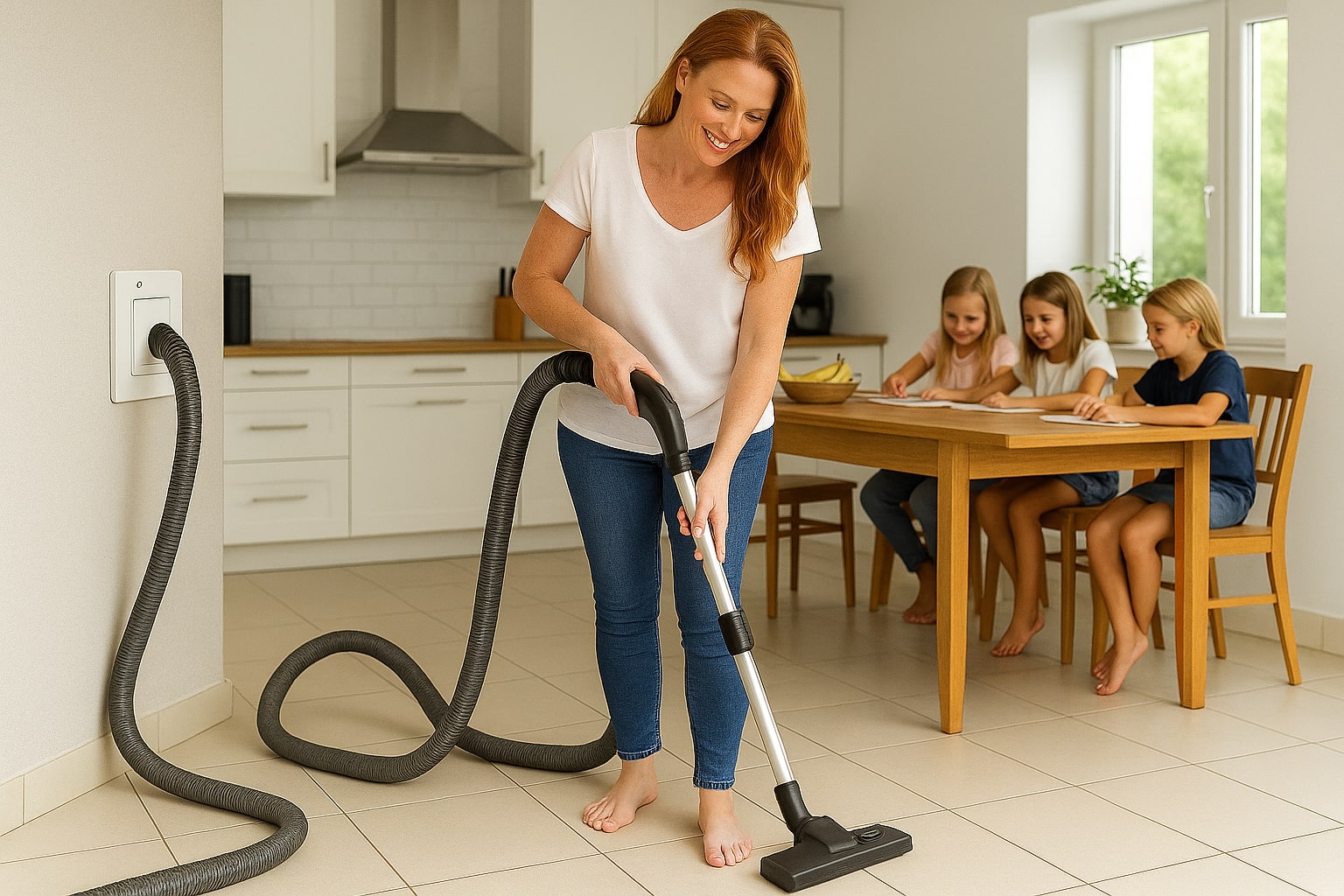
Central Vacuum Systems: What to Know Before You Buy
Central vacuum systems are built for strong, consistent suction and long-term reliability. Instead of carrying a portable vacuum from room to room, you connect a hose to inlets installed throughout your home. Dirt and debris travel through in-wall tubing to a power unit located in a garage, basement, or utility area.
Why Homeowners Choose Central Vacuums
Central vacuums are a popular choice for larger homes, multi-level layouts, and customers who want a quieter and more powerful cleaning experience. Many systems also help improve indoor air quality by reducing dust and fine particles in living areas.
- Powerful suction and steady performance
- Quieter operation (motor is outside living space)
- Whole-home convenience with multiple inlets
- Longer service life than many portable vacuums
- Flexible cleaning with attachments for different surfaces
Key Components of a Central Vacuum System
- Power Unit: The motor and collection system (bag or bagless)
- Tubing: Hidden pipe network that carries debris to the unit
- Inlet Valves: Wall ports where the hose connects
- Hose & Tools: Hose, wands, floor tools, and attachments
- Powerhead (optional): Recommended for carpets and rugs
How to Choose the Right Central Vacuum
Start by considering home size, number of inlet locations, flooring types, and whether you need powered carpet cleaning. Larger homes and longer tubing runs typically benefit from systems designed for stronger airflow and sustained suction.
Maintenance Tips for Better Performance
- Replace filters on schedule to maintain airflow
- Empty the canister or replace bags before they overfill
- Inspect hoses and tool connections for leaks
- Use the right floor tools and attachments for each surface
Explore central vacuum systems and accessories:
https://www.thinkvacuums.com/central-vacuums
Blog Publised on 1/12/2026
Log In
Create New Account